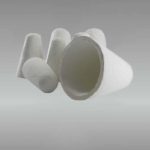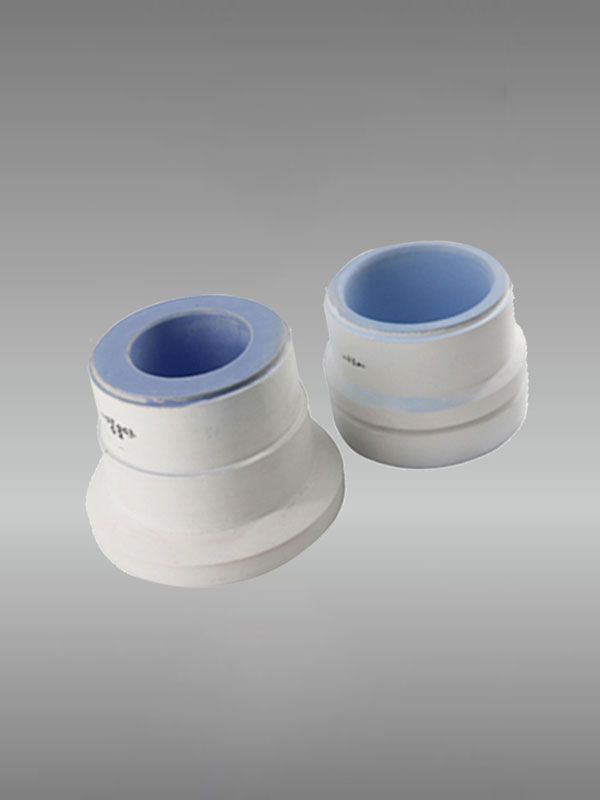
Sprue Bush is an important molten metal flow channel used to guide molten aluminum smoothly into the mold during aluminum casting processes.
It is mainly installed between the nozzle and mold system to stabilize molten metal flow and reduce turbulence during pouring.
The sprue bush is manufactured from high-silicon molten 140 and Al-Si materials, providing:
- Strong corrosion resistance
- High geometric accuracy
- Smooth casting surface
- Long service life
- Low maintenance cost
In aluminum casting operations, stable molten metal transfer is critical for maintaining casting quality and reducing defects caused by turbulence and air entrainment.
Product Specifications
Specification (Based on the alloy diameter)
| 3in | 3.5in | 4.5in | 5in | 5.5in | 6in | 6.5in | 7in |
| 8in | 9in | 10in | 12in | 14in | 16in | 18in | 20in |
Technical parameter for high silicon 140 sprue bush
| Item | Denisity (g/cm3) |
Compression Strength (Mpa) |
Thermal Expansivity (X*10-6/℃) |
Max Working Temperature (℃) |
| Index | 1.4-1.5 | 15-16 | 4-4.5 | >1000 |
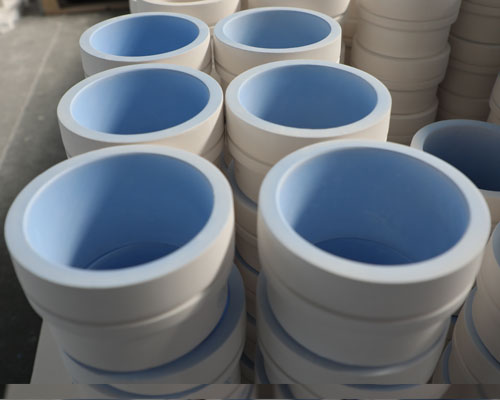
Ceramic Sprue Bush
Request A Quote
Function of Sprue Bush in Aluminum Casting
The main function of the sprue bush is to guide molten aluminum into the mold in a smooth and controlled manner.
It helps:
- Stabilize molten metal flow
- Reduce vortex generation
- Minimize air entrainment
- Improve casting surface quality
- Reduce porosity defects
- Improve mold filling stability
During molten aluminum transfer, unstable flow can easily create vortices that pull impurities and air into the casting cavity.
A properly designed sprue bush helps reduce this problem significantly.
Why Molten Aluminum Flow Control Matters
During aluminum melting and transfer, large amounts of oxide impurities and inclusions may form inside molten aluminum.
After precipitation, many impurities float on the liquid surface.
When molten aluminum enters the mold through the gate system, unstable flow may generate vortices that pull surface impurities and air into the casting.
This can cause:
- Gas porosity
- Inclusion defects
- Surface imperfections
- Reduced mechanical properties
- Internal casting defects
The sprue bush plays a key role in reducing turbulence and maintaining stable molten aluminum transfer conditions.
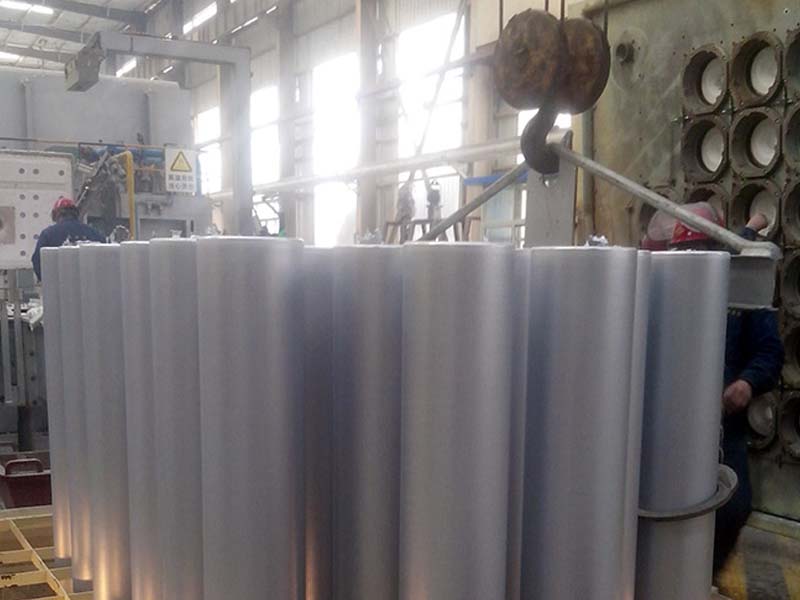
Casting Thimble
Advantages of AdTech Sprue Bush
Strong Corrosion Resistance
The high-silicon molten material offers excellent resistance against molten aluminum corrosion during long-term casting operations.
Smooth Molten Metal Flow
The optimized internal channel structure improves molten aluminum flow stability and reduces turbulence.
High Dimensional Accuracy
Integral molding technology ensures stable geometric precision and casting consistency.
Long Service Life
The durable refractory structure provides long operational life under continuous aluminum casting conditions.
Low Maintenance Cost
The anti-sticking and corrosion-resistant properties help reduce maintenance frequency and replacement cost.
High Temperature Resistance
The product maintains stable performance at temperatures above 1000℃.
If your project requires Sprue Bush, contact us for a free quotation and technical support.
Sprue Bush Design Points
Conical Inner Hole Design
To ensure smooth removal from the main channel, the inner hole of the sprue bush is designed with a conical shape.
The recommended cone angle is approximately 2°–6°.
Proper Taper Control
If the taper is too large:
- Pressure decreases
- Flow increases excessively
- Air may enter the molten aluminum
- Porosity defects may occur
If the taper is too small:
- Flow resistance increases
- Molten metal flow rate becomes unstable
Proper taper design is essential for stable molten aluminum transfer.
Smooth Inner Wall Finish
The recommended inner wall finish is approximately Ra = 1.6–0.8μm.
A smoother inner wall helps reduce molten aluminum resistance and improve flow stability.
Proper Diameter Matching
The small-end diameter is typically 4–8mm.
The sprue bush diameter should be approximately 1–2mm larger than the nozzle hole diameter to avoid residual material accumulation.
This helps reduce pressure drop and prevents sprue breakage.
Rounded Big-End Design
A rounded corner design (R = 1–3mm) at the big end helps improve molten metal flow and reduce turbulence.
Applications of Sprue Bush
Sprue bush products are widely used in:
- Aluminum rod casting
- Aluminum billet casting
- Hot-top casting systems
- Continuous casting production
- Aluminum alloy casting operations
- Molten aluminum transfer systems
They are important components in modern aluminum casting equipment.
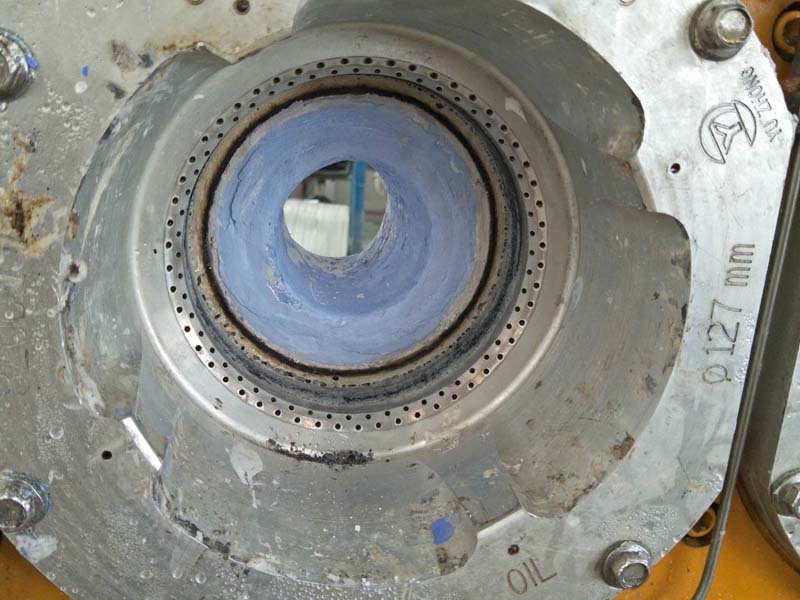
Sprue Bushing
Relationship with Complete Aluminum Melt Treatment Systems
In modern aluminum casting operations, sprue bush systems are commonly used together with:
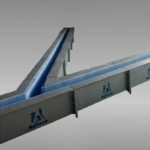
- Distributing launders
- Pouring cups
- Ceramic foam filters
- Inline degassing systems
- Refining flux
- Slagging flux
- Covering flux
These systems work together to improve molten aluminum cleanliness, stabilize molten metal flow, and reduce casting defects.
Improve Aluminum Casting Quality with AdTech Sprue Bush
Stable molten aluminum flow is essential for high-quality aluminum casting production.
AdTech Sprue Bush helps guide molten aluminum smoothly into the mold, reduce turbulence and air entrainment, improve casting surface quality, and minimize porosity defects during aluminum casting operations.
Combined with complete molten aluminum treatment solutions, AdTech sprue bush products support cleaner molten metal transfer, more stable casting conditions, and improved aluminum casting performance.
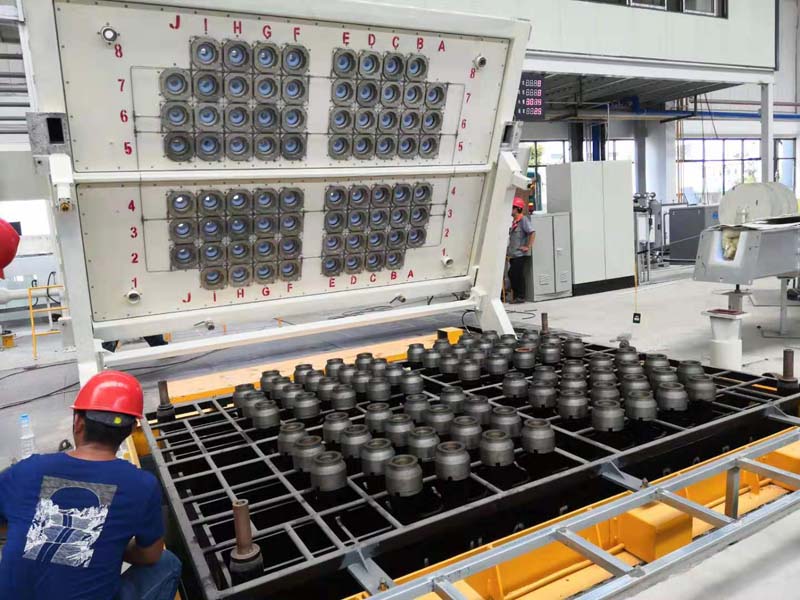
Riser Sleeve
FAQ
1. What is a sprue bush used for?
A sprue bush is used to guide molten aluminum smoothly into the mold during casting operations.
2. Why is sprue bush important in aluminum casting?
It helps reduce turbulence, air entrainment, and impurity transfer during molten metal flow.
3. What material is sprue bush made of?
It is typically made of high-silicon molten material and Al-Si refractory materials.
4. How does sprue bush reduce casting defects?
Stable molten metal flow helps reduce porosity, inclusions, and surface defects.
5. Why is taper design important for sprue bush?
Proper taper design improves molten metal flow stability and reduces vortex formation.
6. What happens if the taper is too large?
Excessive taper may introduce air into the molten aluminum and increase porosity risk.
7. What is the working temperature of a sprue bush?
The maximum working temperature exceeds 1000℃.
8. Can sprue bush improve casting surface quality?
Yes. Smooth molten aluminum flow improves mold filling stability and casting surface finish.
9. Where is sprue bush commonly used?
It is widely used in aluminum rod casting, billet casting, and continuous casting systems.
10. Can sprue bush be used with other molten aluminum treatment systems?
Yes. It is commonly used together with distributing launders, ceramic foam filters, and degassing systems.